561-532-2139

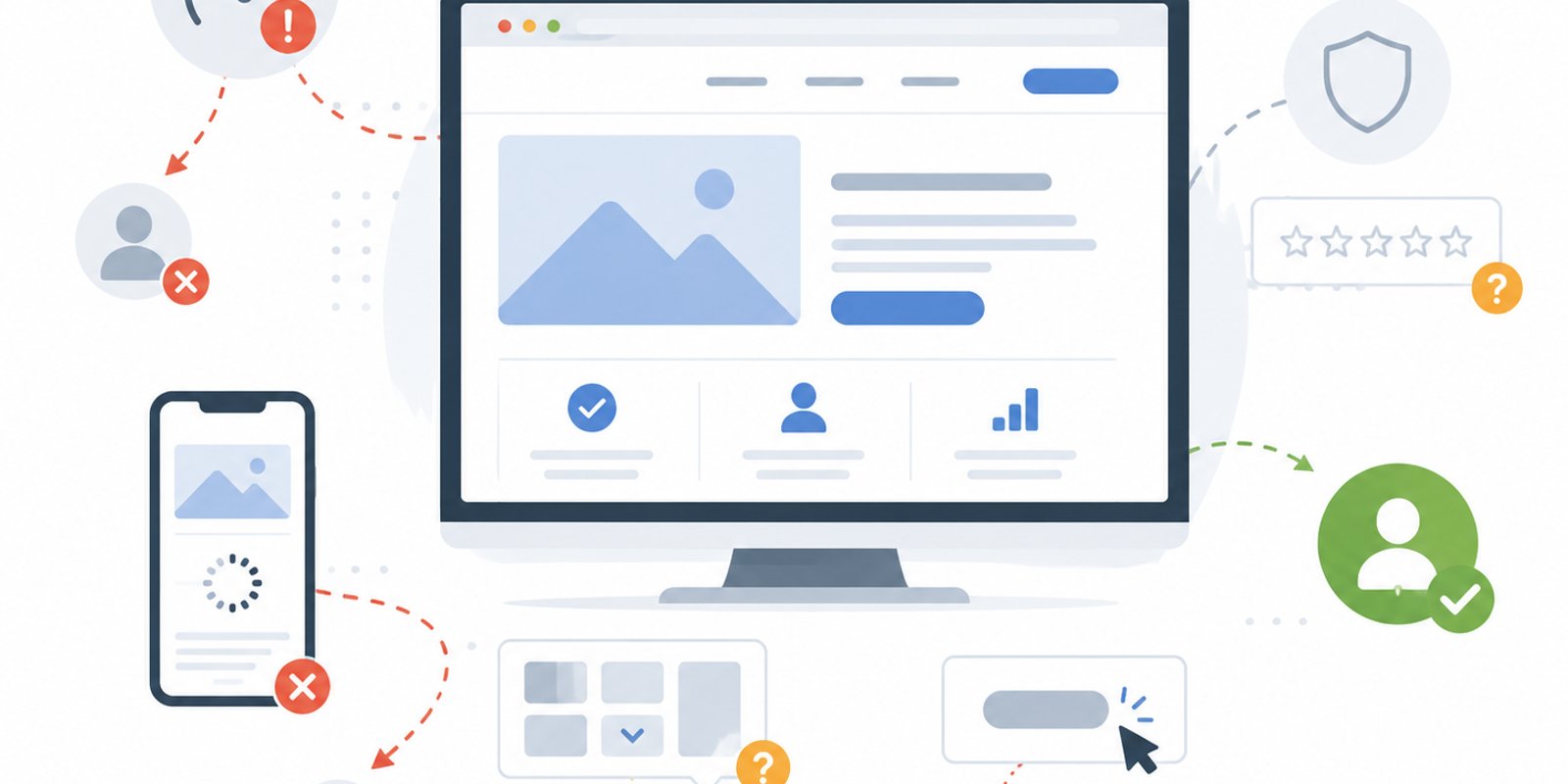

A business website can look polished on the surface while quietly losing valuable leads every day. For many local companies, the issue is not always traffic. The bigger problem is what happens after someone lands on the site. Visitors may arrive from search, referrals, social media, or Google Business Profile, but if the website feels confusing, slow, outdated, or difficult to use on mobile, they may leave before calling, booking, or submitting a form. That is why professional WEB DESIGN WEST PALM BEACH services matter for businesses that depend on trust, visibility, and consistent lead generation.
In competitive areas like Wellington, West Palm Beach, and the wider Palm Beach County business market, customers often compare several companies before making a decision. A website needs to do more than list services. It needs to guide users clearly, answer common questions, build confidence, and make the next step easy. Wellington Web Designs helps businesses strengthen their digital presence with websites built around user experience, mobile responsiveness, service clarity, and conversion-focused structure.
Your Website Is Often the First Sales Conversation
Before a prospect ever calls, your website has already started the sales process. A visitor may be asking questions such as: Does this company look credible? Do they serve my area? Can they solve my problem? Is it easy to request help? If the website does not answer those questions quickly, the business may lose the opportunity before a conversation begins.
This is especially important for service-based companies. Homeowners, business owners, contractors, consultants, healthcare providers, and local retailers often rely on their websites to create the first layer of trust. A weak site can make a capable company look less professional than it really is. Even worse, it can send potential customers to competitors with clearer messaging and easier contact options.
A lead-generation website should not force users to search for information. Service pages, calls to action, contact options, testimonials, and location signals should work together. When the structure is clear, the website becomes more than an online brochure. It becomes a practical business tool that supports visibility, confidence, and inquiries.
Common Reasons Websites Lose Potential Leads
Many websites do not fail because of one major issue. They lose leads through a series of smaller problems that add friction to the visitor experience. These issues can seem minor individually, but together they create hesitation.
The Website Loads Too Slowly
Speed matters because users make decisions quickly. If a page takes too long to load, many visitors will leave before reading the content. Slow websites can also create a poor impression of the business. A company may be reliable, experienced, and professional, but a sluggish website can make the brand feel outdated or difficult to work with.
Large images, unnecessary scripts, weak hosting, and poorly built layouts can all affect performance. For local businesses trying to attract customers in South Florida, speed can influence whether someone stays long enough to view services or request a quote. Strong professional website design support can help improve how a site presents information, loads key pages, and guides users toward action.
The Mobile Experience Feels Frustrating
Many potential customers browse from their phones. If the mobile version of a website has tiny text, crowded buttons, cut-off images, or confusing navigation, users may leave quickly. Mobile responsiveness is not just about fitting a page onto a smaller screen. It is about making the page easy to read, tap, scroll, and act on.
A mobile-friendly website should allow visitors to find services, read key details, tap a phone number, submit a form, or request a consultation without unnecessary effort. When mobile usability is strong, the site supports users in the moment they are ready to act.
The Message Is Too Vague
A website should quickly explain who the business helps, what it offers, where it serves, and why someone should choose it. If the messaging is too broad, visitors may not understand whether the company is the right fit.
For example, a service business that only says “quality solutions” or “professional service” may not give users enough information to continue. Strong website copy should explain specific services, common customer problems, expected outcomes, and next steps. Clear copy helps visitors feel understood, which makes them more likely to reach out.
Calls to Action Are Hard to Find
A call to action should be visible, specific, and easy to use. If a visitor has to scroll too far, search through multiple pages, or guess how to contact the company, the website may lose the lead.
Effective calls to action use clear language tied to the visitor’s intent. Examples include requesting a consultation, scheduling a call, asking for an estimate, or discussing a project. The goal is to remove uncertainty and make the next step feel simple.
The Website Does Not Build Enough Trust
Trust signals help visitors feel confident. These may include testimonials, project examples, service details, process explanations, business history, local references, certifications, team information, and clear contact details.
A website that lacks trust signals can feel incomplete. Even if the business has strong experience, the visitor may not see enough proof. In a local market where users compare multiple providers, trust-building content can make a meaningful difference.
How Better Website Design Supports Lead Generation
Good website design is not only about colors, fonts, or visuals. It is about creating a clear path from visitor interest to action. Every section should help users understand the business and move closer to making contact.
A strong lead-generation website usually includes:
- A clear headline that explains the main value of the business
- Service sections that are easy to scan
- Mobile-friendly layouts
- Fast-loading pages
- Strong local relevance
- Trust signals placed throughout the site
- Clear calls to action
- Simple contact forms
- SEO-friendly page structure
When these elements work together, the site feels easier to use and more persuasive. Visitors do not have to work hard to understand what the company offers. Instead, the website guides them through the decision-making process naturally. This is where lead-generation website design becomes valuable for businesses that want their site to support real conversations instead of simply displaying information.
Why User Experience Affects Customer Decisions
User experience influences how people feel about a business. A confusing website can create doubt, while a smooth website can create confidence. This happens before a visitor reads every detail.
Good user experience includes layout, navigation, readability, page flow, mobile performance, and accessibility. It also includes how quickly users can answer their main questions. If someone lands on a service page, they should understand what is offered, who it is for, why it matters, and how to take the next step.
In the Florida business market, where local companies often compete for attention online, user experience can influence whether a website visitor becomes a lead. A strong design helps reduce friction. It makes the business feel organized, responsive, and trustworthy.
SEO-Friendly Website Structure Matters
A website designed for lead generation should also be built with search visibility in mind. SEO-friendly structure helps search engines understand the website and helps users move through it more easily.
Important structure elements include clear page titles, logical headings, focused service pages, internal linking, location relevance, optimized images, and clean navigation. These details help organize the content in a way that supports both users and search engines.
For example, a business serving Wellington, Royal Palm Beach, and nearby communities may benefit from service pages that clearly explain offerings and regional relevance. This does not mean stuffing keywords into every paragraph. It means creating useful pages that match what customers are actually searching for.
When website design and SEO structure are handled together, the site can support long-term visibility instead of only looking good at launch. A strong SEO-friendly website structure can help businesses organize service information, improve usability, and give visitors a clearer path toward contacting the company.
Signs Your Website May Need Improvement
A business may not always realize its website is holding back leads. The signs can be subtle at first. Traffic may be present, but inquiries may be inconsistent. Visitors may reach the site but leave without action. Referral prospects may view the website but never call.
Common signs include:
- The website looks outdated compared to competitors
- Pages are difficult to use on mobile
- Contact forms are too long or hard to find
- Services are not clearly explained
- The homepage does not communicate value quickly
- Important pages load slowly
- There are few trust signals or project examples
- The website does not reflect the current quality of the business
These problems can affect both new and established companies. A business may have strong word-of-mouth and loyal customers, but if the website does not match the quality of the service, online prospects may hesitate.
What a Better Website Should Help Visitors Do
A stronger website should help users take action with less confusion. That starts with understanding the visitor’s intent. Some users are ready to call. Others are comparing options. Some are looking for pricing clues, service details, examples, or signs that the business serves their area.
A well-designed website should help visitors:
- Understand the business quickly
- Find the service they need
- Learn what makes the company credible
- Confirm the business serves their location
- Review helpful proof or examples
- Contact the company without friction
This approach is especially valuable for local service businesses that depend on qualified inquiries. The website should not simply present information. It should help guide decisions.
Why Local Businesses Need More Than a Basic Website
A basic website may be enough to show that a business exists, but it may not be enough to compete. Local customers have more options than ever. They compare websites, reviews, social profiles, and search results before contacting a company.
Businesses in South Florida often need websites that reflect professionalism, speed, clarity, and local relevance. A generic site may not communicate enough value. A stronger website can support customer trust by showing that the company understands the local market and the needs of its audience.
For many companies, improving the website is not about starting over completely. Sometimes the right strategy involves refining page structure, improving mobile usability, strengthening calls to action, updating copy, and making service pages easier to understand.
Build a Website That Supports Local Leads
For companies in Wellington, Palm Beach County, and the surrounding South Florida market, a better website can help turn more visitors into real conversations. Start with a site that is clear, mobile-friendly, conversion-focused, and built around how customers actually make decisions.
Schedule a Free Consultation for your South Florida business website
FAQ
Why is my business website not generating enough leads?
Your website may not be generating enough leads if visitors cannot quickly understand your services, trust your business, or find a clear next step. Slow loading speed, weak mobile usability, vague messaging, hidden contact options, and limited trust signals can all reduce inquiries.
How does mobile responsiveness affect website conversions?
Mobile responsiveness affects conversions because many visitors browse from phones before contacting a business. If the site is hard to read, difficult to tap, or slow on mobile, users may leave before calling, submitting a form, or requesting a consultation.
What should a lead-generation website include?
A lead-generation website should include clear service messaging, fast-loading pages, mobile-friendly design, trust signals, simple navigation, strong calls to action, and SEO-friendly structure. These elements help visitors understand the business and take action with less hesitation.
Why does local website design matter for Wellington businesses?
Local website design matters for Wellington businesses because customers often compare nearby providers before making contact. A website with clear services, regional relevance, strong user experience, and trust-building content can help a business stand out in the local market.