561-532-2139

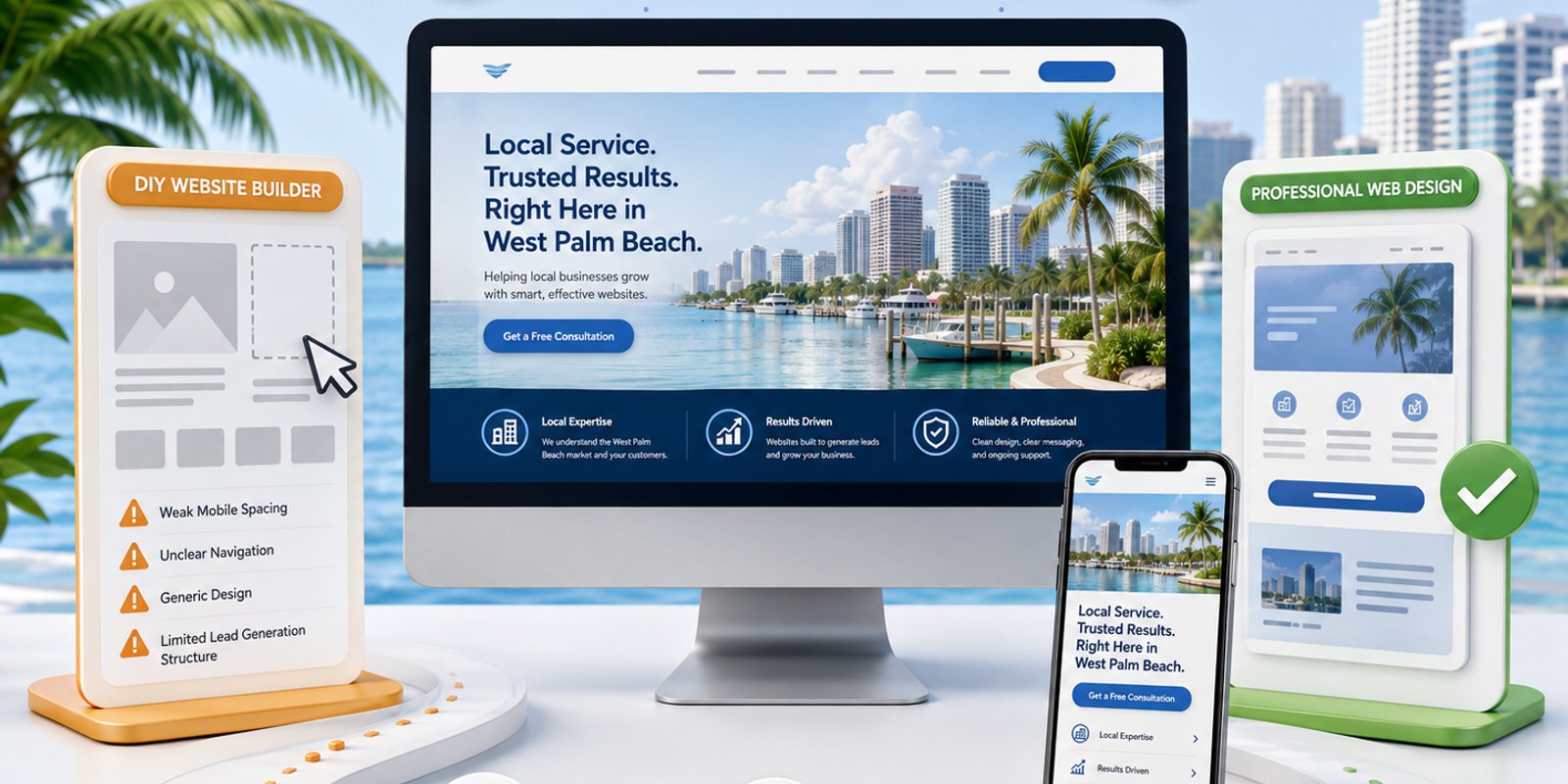

Website builders can make launching a new site seem straightforward: choose a template, add your content, upload a few images, and publish. That approach may work for a business that only needs a basic online presence. However, companies that rely on their website to build trust, perform well on mobile devices, appear in local searches, and generate inquiries often need a more thoughtful solution. For businesses in West Palm Beach, professional web design is less about simply getting online and more about creating an experience that guides visitors toward becoming customers.
In South Florida, local customers compare businesses quickly. They may visit a website from their phone, scan the service page, check whether the business feels credible, and decide within moments whether to call or keep searching. A business can get a quiet sense of the practical, conversion-focused approach through Wellington Web Designs, especially when the goal is a website that feels clear, fast, and built around real customer action.
The Appeal of DIY Website Builders
DIY website builders are popular because they seem affordable and convenient. They usually offer ready-made templates, drag-and-drop editing, stock design elements, and basic publishing tools. For a new business with a limited budget, that can feel like a helpful starting point.
A DIY site can work when the business only needs a simple online presence. For example, a temporary landing page, basic announcement site, event page, or personal project may not require advanced planning. If the goal is simply to publish information quickly, a website builder may be enough.
However, many business websites need more than a digital placeholder. They need to explain services clearly, build trust, support local visibility, work smoothly on mobile, and guide visitors toward calls, forms, or consultation requests. That is where DIY platforms can start to show limits.
Where DIY Websites Often Fall Short
The main issue with DIY website builders is not that they are always poorly made. The issue is that they often leave important business decisions to the owner, even when the owner is not a web design, SEO, user experience, or conversion specialist.
A template may look nice, but it does not automatically understand the customer journey. It does not know which service should be prioritized, how local visitors search, where trust signals should appear, or what information needs to be above the fold. Those decisions affect how well the website performs.
Common DIY website issues include:
- Generic layouts that look similar to competitors
- Weak mobile spacing or button placement
- Slow loading pages caused by bloated design elements
- Thin service descriptions
- Poor heading structure
- Confusing navigation
- Weak calls to action
- Limited local SEO planning
- Contact forms that do not support lead quality
- Pages that look acceptable but do not guide visitors clearly
A business may save money upfront but lose opportunities if visitors leave without contacting the company.
What Professional Web Design Adds
Professional web design brings strategy into the process. Instead of only asking what the website should look like, a stronger design process asks what the website needs to accomplish.
For a local business, that may include attracting service-area traffic, explaining offers clearly, improving mobile usability, earning trust, and making it easy for visitors to take the next step. These goals require more than choosing a template. They require planning around structure, messaging, performance, and conversion flow.
Professional web design can help with:
Better User Experience
User experience is about how easy and natural the website feels to use. Visitors should not have to struggle to find services, understand pricing direction, locate contact details, or figure out what to do next.
A professional website should organize content in a way that matches how customers make decisions. That means clear headings, logical page flow, readable sections, helpful calls to action, and layouts that work across devices.
Stronger Mobile Responsiveness
Mobile responsiveness is one of the most important differences between a basic website and a serious business website. A page may look good on a desktop but feel frustrating on a phone. Since many local customers browse from mobile devices, this can directly affect inquiries.
Professional design considers mobile users from the beginning. Text should be readable, buttons should be easy to tap, forms should be simple, and page sections should stack cleanly. The goal is to remove friction before it costs the business a lead.
Clearer Service Messaging
A DIY website often depends on whatever copy the business owner writes quickly. That can lead to vague messaging, repeated phrases, or service pages that do not answer customer questions.
Professional design usually includes a more strategic approach to content. The site should explain what the business does, who it serves, why customers should trust it, and what step they should take next.
Better Conversion Paths
A conversion path is the route a visitor follows from landing on a page to taking action. That might mean requesting a consultation, calling the business, filling out a form, or reviewing a service.
A strong website makes that path clear. Calls to action should appear where they make sense. Contact options should be easy to find. Service pages should remove confusion. Visitors should feel guided, not pushed.
Template Design vs. Custom Design
One of the biggest comparisons business owners face is template design versus custom design. A template can help launch a site quickly, but it may also limit how unique, flexible, and strategic the final website feels.
Businesses weighing both options can review the difference between template and custom website design to better understand how each approach affects branding, structure, usability, and long-term growth.
A template may be enough for a business that only needs a basic web presence. A custom website often makes more sense when the business needs stronger service positioning, more control over layout, better conversion planning, and a more polished digital first impression.
Comparing DIY and Professional Web Design
The best choice depends on the business goal. A DIY website may be reasonable for a very small project, but professional web design is usually stronger when the website is expected to support marketing and lead generation.
Cost
DIY website builders usually have lower upfront costs. Professional web design usually requires a larger investment because it includes planning, strategy, design, development, copy direction, optimization, and support.
However, cost should be measured against value. A low-cost website that does not generate inquiries may not be as affordable as it seems. A stronger site that helps visitors trust the business and take action may create more long-term value.
Speed of Launch
DIY sites can often be launched quickly. Professional websites may take longer because they involve more decisions and more detailed work.
The tradeoff is quality and planning. A faster launch is helpful only if the final website supports the business properly. A rushed site may need major revisions later.
Design Quality
DIY templates can look clean, but they may feel generic. Professional design can create a more specific experience based on the business, its services, and its customers.
For businesses in Palm Beach County, this matters because local customers often compare multiple providers. A website that feels more credible and easier to use can influence who gets the inquiry.
Search Visibility
DIY platforms may include basic SEO settings, but SEO-friendly structure requires more than filling in a few fields. A professional website can better support organized headings, service pages, internal links, page speed, mobile performance, and local relevance.
In the Florida business market, local visibility is especially important for service-based companies. A website should make it easier for both users and search engines to understand what the business offers and where it serves.
Lead Generation
This is often the biggest difference. A DIY website may display information, but a professional website should be designed to move visitors toward action.
Lead generation depends on messaging, page flow, trust signals, mobile usability, and calls to action. A website that lacks these elements may receive visitors without converting enough of them into real opportunities.
When a DIY Website May Be Enough
A DIY website may be enough when the business is still testing an idea, has a very limited budget, or only needs a simple online reference point. It can also work for businesses that do not rely heavily on website inquiries.
For example, a business that gets nearly all customers through referrals may only need a basic site at first. A small side project or early-stage brand may also use a DIY builder temporarily while planning a more complete website later.
The key is being realistic. A DIY site should not be expected to perform like a custom lead-generation website if it was not built with that level of strategy.
When Professional Web Design Makes More Sense
Professional web design is usually the better choice when the business depends on local leads, customer trust, service visibility, and a polished online presence.
It makes sense when:
- The website needs to generate inquiries
- The current site looks outdated
- Mobile visitors are not converting
- Service pages are unclear or too thin
- The business serves multiple nearby areas
- The company wants stronger local visibility
- The site needs a more professional first impression
- Marketing campaigns need a better website foundation
For businesses serving West Palm Beach, Wellington, Royal Palm Beach, and the surrounding South Florida market, a stronger website can make it easier for customers to understand the business and take the next step.
Why the Website Foundation Matters
A website is often the foundation for other marketing efforts. SEO, paid ads, email campaigns, social media, referral traffic, and directory listings may all send people back to the website. If the site is weak, those efforts may not perform as well as they could.
This is why professional design can be a practical business decision. It gives marketing a stronger place to send potential customers. It also helps the business look more consistent, trustworthy, and prepared.
A good website does not need to be overly complicated. It needs to be clear, fast, mobile-friendly, useful, and built around the customer’s next step.
Free Consultation for Palm Beach County Businesses
If your business is comparing a DIY website, a template-based site, or a professionally designed website, the best next step is to look at what your website needs to accomplish. A basic site may be enough for some businesses, but a conversion-focused site can better support visibility, credibility, and lead generation.
For businesses in West Palm Beach and nearby Palm Beach County communities, request a Free Consultation for your business website to review which direction makes the most sense.
FAQ
Is a DIY website good enough for a small business?
A DIY website may be good enough for a small business that only needs a basic online presence. However, if the website needs to support leads, local visibility, mobile users, and customer trust, professional web design may be a stronger option.
What is the main difference between DIY and professional web design?
The main difference is strategy. DIY platforms provide tools and templates, while professional web design focuses on structure, messaging, user experience, mobile performance, and conversion paths that support business goals.
Should West Palm Beach businesses use a template website?
A template website may work for a simple starting point, but West Palm Beach businesses that depend on local leads may benefit from a more custom approach. A custom website can better reflect the business, organize services clearly, and guide visitors toward action.
Can professional web design help with lead generation?
Yes. Professional web design can support lead generation by improving mobile usability, clarifying services, adding stronger calls to action, building trust, and making it easier for visitors to contact the business. Many companies notice that better structure helps their marketing work more effectively.