561-532-2139

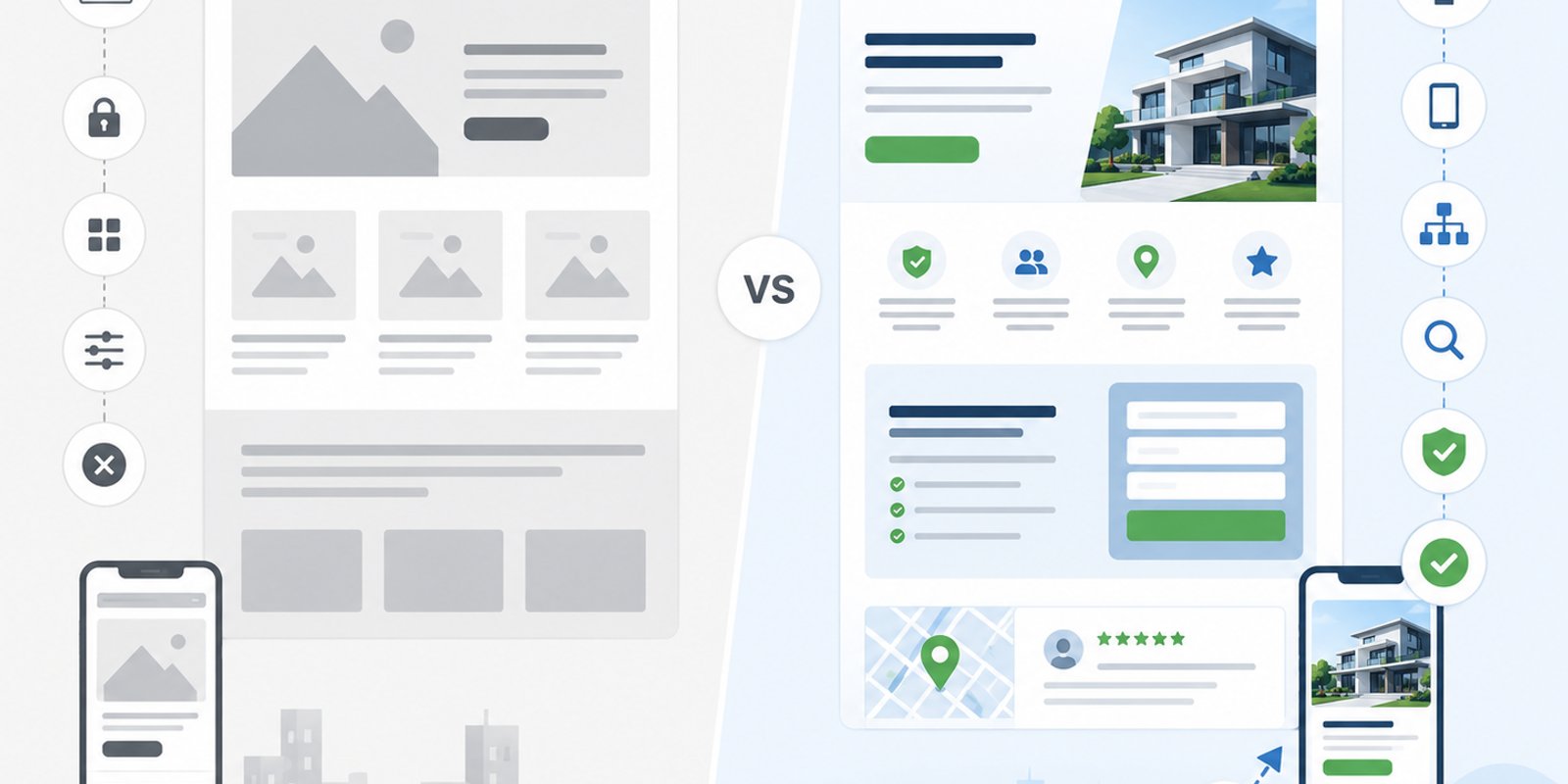

Many businesses begin their website search by comparing templates and custom design. A template website can seem attractive because it is often faster and cheaper to launch. A custom website, on the other hand, is usually built around the company’s goals, services, audience, and lead-generation needs. For businesses comparing WEB DESIGN WEST PALM BEACH options, the decision should not be based only on design style or upfront cost. It should also consider whether the website can support trust, visibility, mobile usability, and customer action.
In Wellington, West Palm Beach, and across Palm Beach County, customers often review several companies before deciding who to contact. A website that feels generic, unclear, or difficult to use can make a strong business look less competitive. Wellington Web Designs helps companies create websites that reflect their brand clearly, support local visibility, and guide users toward meaningful next steps.
Understanding the Difference Between Template and Custom Website Design
A template website uses a pre-built layout that can be adjusted with company colors, images, text, and basic sections. Templates can be useful for businesses that need a simple online presence quickly. They may include ready-made homepage layouts, service blocks, image sections, contact forms, and navigation menus.
Custom website design starts with the business rather than the layout. The structure, messaging, visuals, calls to action, and user flow are planned around the company’s specific goals. A custom site may still use efficient development tools, but the design strategy is built for the brand, services, audience, and conversion path.
The difference is not always obvious at first glance. A template website can look clean, and a custom website can look simple. The real difference is how well the site supports the business behind it. A good website should not only look professional. It should help visitors understand the company, trust its services, and contact the business with confidence.
When a Template Website May Make Sense
A template website can be a reasonable option for some businesses. A new company with a limited budget may need a basic website to establish legitimacy. A temporary campaign, event, or small personal brand may not require a fully customized build. In these cases, a template can provide a quick starting point.
Templates can also work when the business has very simple needs. If the site only needs a homepage, about section, service summary, and contact form, a carefully customized template may be enough. The key is making sure the template does not create problems with usability, page speed, mobile responsiveness, or unclear messaging.
However, businesses should understand the limits. A template is usually designed to serve many types of companies. That means the layout may not match the exact way a customer makes decisions in a specific industry. It may also limit how service pages, location content, conversion paths, and SEO structure are organized.
Where Template Websites Often Fall Short
Template websites can become limiting when a business needs the website to generate leads, support SEO, or communicate a specific market position. A template may look good visually but still fail to guide users clearly.
Common limitations include:
- Generic layouts that do not match the customer journey
- Limited flexibility for service pages
- Weak calls to action
- Repetitive section designs
- Bloated code or unnecessary features
- Poor mobile adjustments
- Limited SEO planning
- Messaging that feels copied or vague
For example, a local service company may need separate service pages, strong trust signals, clear contact prompts, and local relevance throughout the site. A template may not naturally support that structure. The result can be a website that exists online but does not work hard enough to support inquiries.
This is one reason many established businesses choose custom website design when their website needs to support more than a basic digital presence.
Why Custom Website Design Supports Stronger Positioning
Custom website design allows the site to be shaped around the company’s actual strengths. Instead of forcing the business into a pre-built layout, the design can reflect what makes the company valuable to its customers.
A custom approach can highlight specific services, industry experience, customer pain points, local expertise, project examples, testimonials, and calls to action. It can also make the website feel more aligned with the company’s brand personality. For a professional service provider, contractor, consultant, healthcare business, or local retailer, that alignment can influence trust.
Positioning matters because customers often compare businesses quickly. They may not read every word on the website, but they will notice whether the site feels clear, credible, and relevant. A custom website can help a business communicate value more directly and avoid looking interchangeable with competitors.
Comparing User Experience
User experience is one of the biggest differences between template and custom website design. A template layout may not be built around the specific questions customers ask before contacting a business. It may place important details too low on the page or make contact options less visible.
A custom website can be planned around visitor intent. Someone landing on the homepage may need a quick overview, service direction, trust signals, and a visible next step. Someone landing on a service page may need details about the service, common problems, process expectations, related proof, and a clear way to request help.
Custom design can organize this journey more intentionally. It can reduce confusion, improve readability, and make it easier for users to act. A strong user-focused website design approach helps businesses create pages that feel natural for visitors instead of forcing them through a generic layout.
Comparing Mobile Responsiveness
Both template and custom websites can be mobile-responsive, but the quality of the mobile experience can vary. Some templates technically adjust to smaller screens, but they may still feel crowded, slow, or awkward to use. Buttons may be too close together, text may feel cramped, and forms may not be easy to complete.
Custom design gives more control over the mobile experience. Sections can be rearranged for smaller screens. Important calls to action can be made easier to tap. Content can be shortened or organized differently so users do not feel overwhelmed.
This matters because many local customers browse on mobile while comparing businesses. They may be looking for directions, service details, contact information, or a quick way to request a consultation. If the website is frustrating on mobile, the business may lose a lead that was ready to take action.
Comparing SEO Structure
SEO-friendly structure is another area where custom websites often have an advantage. A template may include basic page settings, but it may not be planned around service hierarchy, internal linking, local relevance, or keyword-focused pages.
A custom website can be structured around how customers search. This may include dedicated pages for core services, supporting content for common questions, logical navigation, optimized headings, local signals, and clean internal links. These elements help both users and search engines understand the website.
For businesses in the South Florida market, SEO structure should support visibility without keyword stuffing. The goal is to create useful pages that clearly explain services and help visitors make decisions. Strong SEO-friendly website structure can make a website more effective after launch because it gives the business a better foundation for ongoing marketing.
Comparing Conversion Potential
A website’s conversion potential depends on how well it moves visitors from interest to action. Template websites may include standard buttons and forms, but they are not always placed where users need them most. A custom website can build calls to action into the full page experience.
Conversion-focused design considers:
- What the visitor needs to know first
- Where trust signals should appear
- How service information should be organized
- When to introduce contact options
- How to reduce friction in forms
- How to make calls to action specific and visible
This does not mean every page should feel aggressive or sales-heavy. A good conversion path feels helpful. It gives users clear direction when they are ready to take the next step. A custom design can support this more effectively because it is built around the business’s actual lead-generation goals.
Comparing Long-Term Flexibility
A template website may work at launch but become harder to manage as the business grows. Adding new services, landing pages, location pages, blog content, or special features can become difficult if the template is too rigid.
Custom websites are usually better suited for growth because the structure can be planned with future needs in mind. A business may start with core pages and later expand into new service areas, industries, or local markets. The site can be designed to support that growth without feeling patched together.
This flexibility can matter for companies planning to invest in SEO, paid ads, email marketing, or local campaigns. A website should be able to support future marketing efforts instead of becoming a limitation. Many companies notice that a flexible website gives them more options as their business and market strategy evolve.
Comparing Brand Trust
Brand trust is not created by design alone, but design influences how people perceive the business. A template website may look similar to many other sites, especially if it uses common layouts and stock visuals. That can make it harder for a company to stand out.
Custom design can create a more distinct and credible brand impression. It can use better content flow, more relevant visuals, stronger service positioning, and carefully placed trust elements. The result is a website that feels more connected to the actual business.
For local companies in Wellington, Royal Palm Beach, and nearby areas, trust can strongly influence inquiries. Customers want to feel that the business is established, professional, and easy to contact. A website that communicates those qualities clearly can support better customer confidence.
Which Option Is Better for Lead Generation?
For businesses that only need a simple online presence, a template may be enough. For businesses that depend on leads, custom design is usually the stronger option. Lead generation requires more than a clean layout. It requires clear messaging, intentional page flow, visible calls to action, trust signals, mobile usability, and SEO-friendly structure.
A custom website gives the business more control over how visitors move through the site. It can answer questions more effectively, highlight services more clearly, and guide users toward contact points. It can also support marketing campaigns more effectively because the site is built around business goals.
A lead-focused website does not need to be overly complex. It needs to be clear, reliable, easy to use, and aligned with the way customers make decisions.
How to Decide Between Template and Custom Design
The right choice depends on the business’s goals, budget, timeline, and growth plans. A template may be suitable when speed and simplicity matter most. Custom design is usually better when the website needs to support competitive positioning, service clarity, and lead generation.
Businesses should ask:
- Is the website expected to generate leads?
- Does the business need strong local visibility?
- Are services difficult to explain in a simple layout?
- Does the brand need to stand apart from competitors?
- Will the website need to grow over time?
- Is mobile experience a major priority?
- Does the website need SEO-friendly structure from the start?
If the answer to several of these questions is yes, a custom approach may provide stronger long-term value.
Choose a Website Built Around Your Business Goals
For companies in Wellington, Palm Beach County, and the surrounding South Florida market, the better website choice depends on what the site needs to accomplish. A custom website can help businesses improve clarity, mobile experience, brand trust, and lead-generation opportunities.
Schedule a Free Consultation for a custom business website
FAQ
Is a template website good enough for a small business?
A template website may be enough for a small business that only needs a basic online presence. However, if the website is expected to generate leads, support search visibility, or communicate a stronger brand position, a custom website may be a better long-term option.
What is the main advantage of custom website design?
The main advantage of custom website design is that the site can be built around the business’s goals, audience, services, and customer journey. This allows for stronger messaging, better user experience, clearer calls to action, and more flexible SEO structure.
Can template websites rank on search engines?
Template websites can rank if they are properly optimized, fast, mobile-friendly, and supported by useful content. However, many templates are not planned around service hierarchy, local relevance, or internal linking, which can limit SEO performance if not addressed.
Why should Wellington businesses compare website design options carefully?
Wellington businesses should compare website design options carefully because local customers often evaluate several companies online before contacting one. A website that feels clear, professional, mobile-friendly, and locally relevant can help support stronger trust and better inquiries.